How to Read a Brand
Learn to decode livestock brands - position, orientation, and symbol meanings.

A visual guide to understanding the traditional system of cattle identification through ear notching, using California's registered earmarks as examples.
Earmarks are permanent identification marks made by cutting specific patterns into a cow's ears. This ancient practice predates hot-iron branding and remains an essential tool for ranchers today. While brands identify ownership from a distance, earmarks serve as a secondary -and sometimes primary -form of identification that's particularly useful when cattle are gathered closely together.
Earmark patterns are registered with the state alongside brands, though unlike brands, earmarks are not required to be unique -multiple ranchers may use the same earmark pattern. The left and right ears can have different marks, and when combined with a unique brand, they help further distinguish livestock.
When brands become obscured by thick winter coats or scarring, earmarks remain visible and readable year-round.
During roundups and in corrals, earmarks can be read quickly without needing to see the animal's entire body.
Some ranchers use earmarks to indicate birth year, breeding status, or other management information distinct from ownership.
Earmarking has been practiced for thousands of years across many cultures. It connects modern ranchers to generations of livestock tradition.
Earmarks are typically described by specifying the left ear pattern first, followed by the right ear pattern. The position of the cut on the ear (upper edge, lower edge, tip) and the type of cut (notch, split, crop) combine to create the full description.
When reading the examples below, the left ear is shown on the left side of the image and the right ear on the right -as if you're looking at the animal from behind.
California, like most western states, maintains an official registry of earmarks. Here are examples of registered earmark patterns that demonstrate the variety of cuts and combinations used.
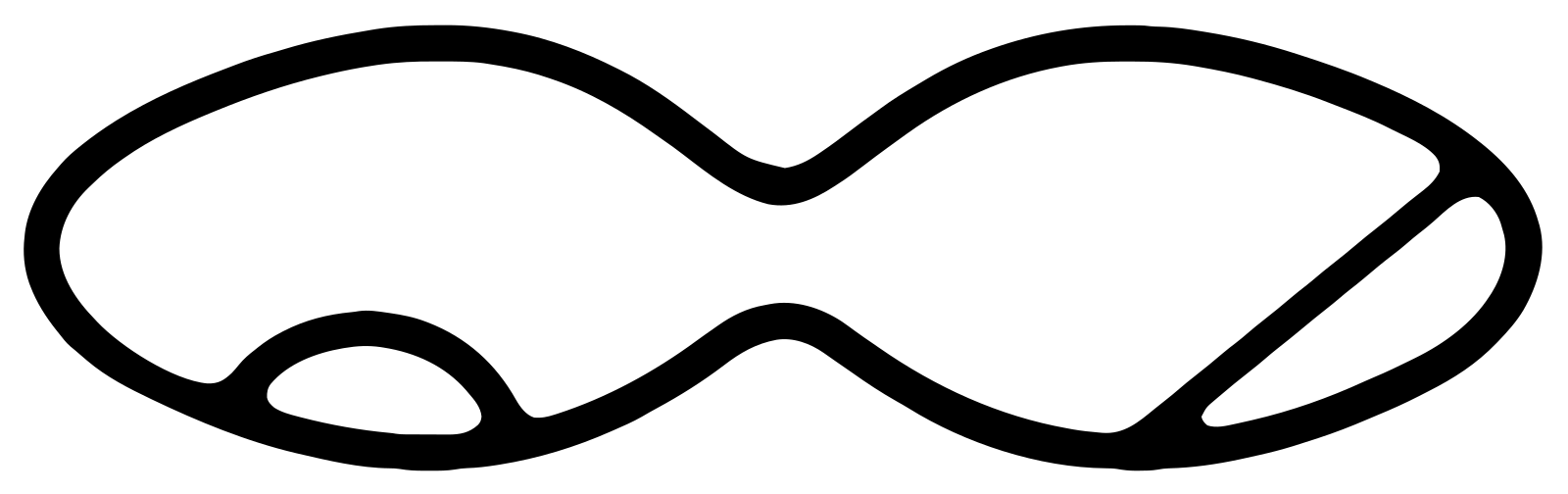
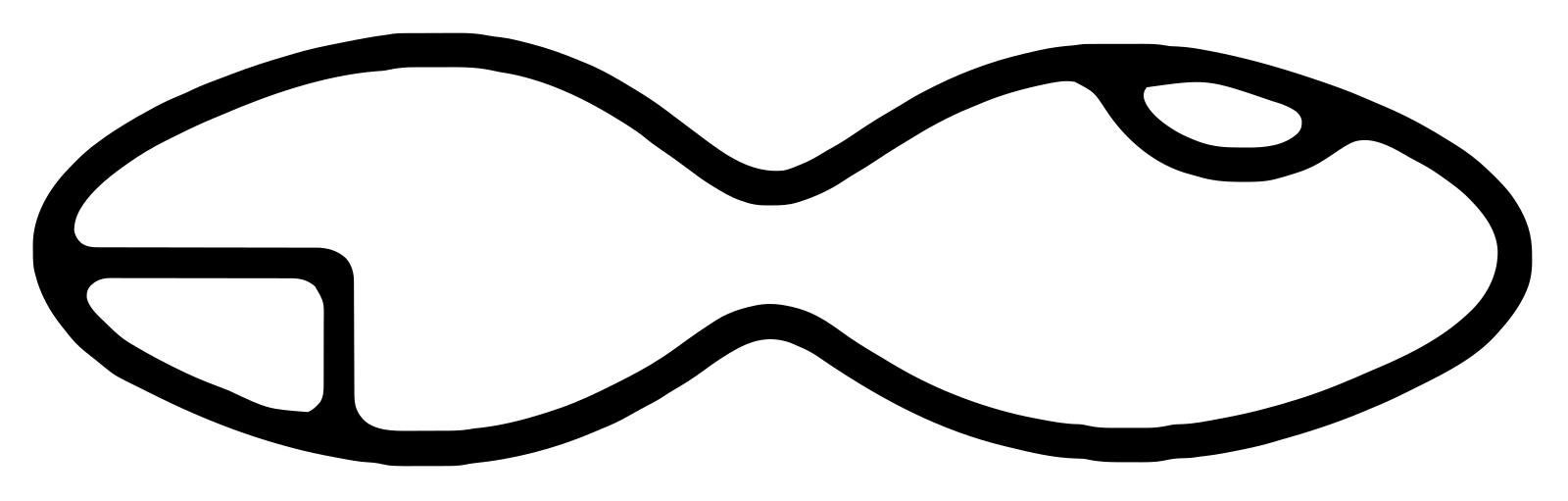
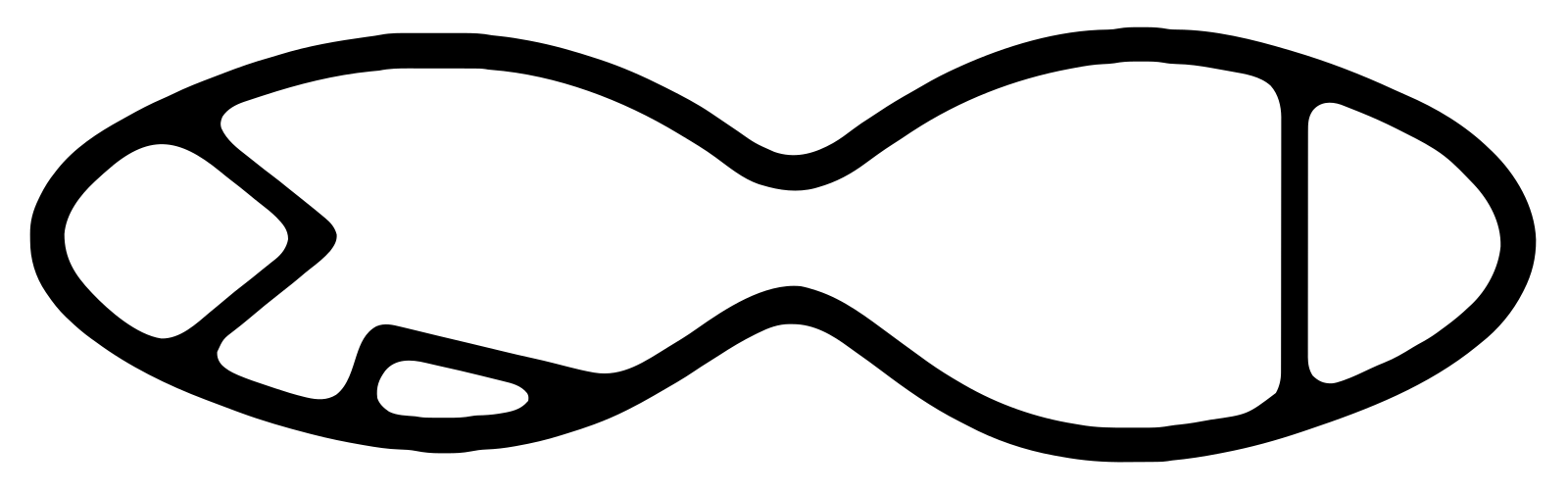
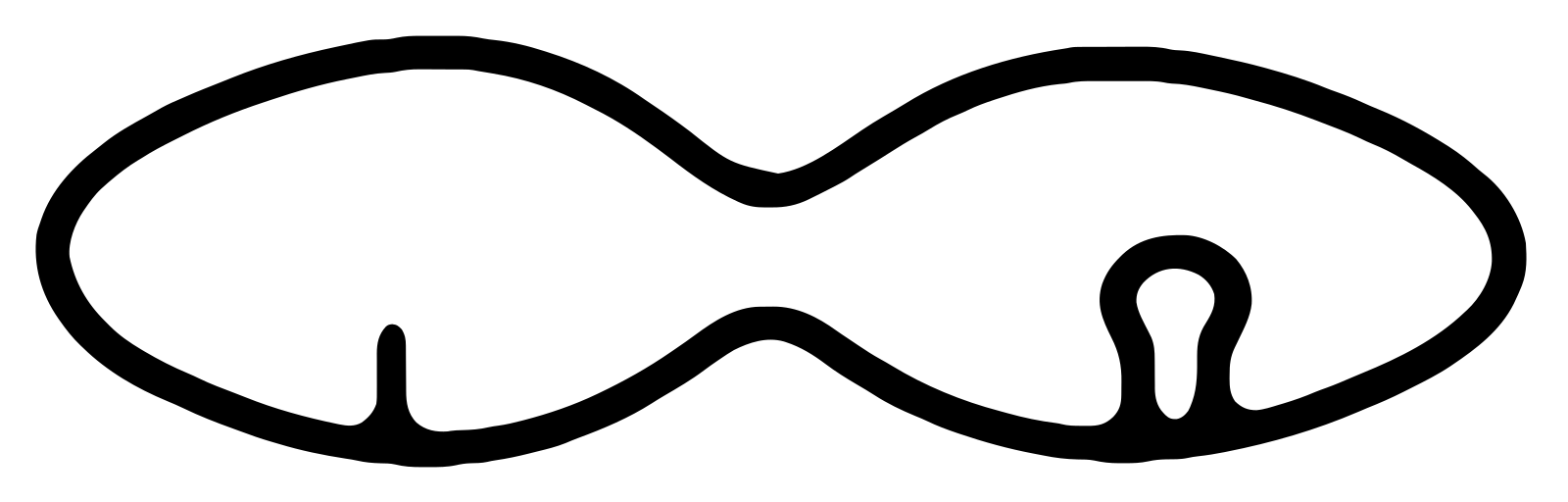
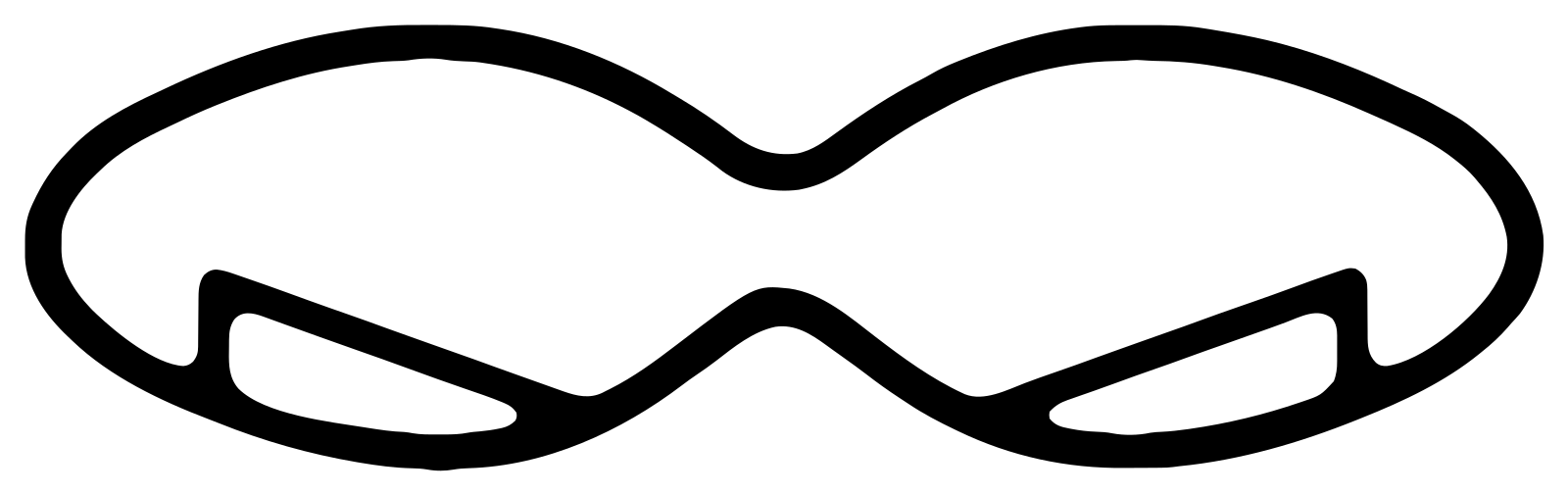
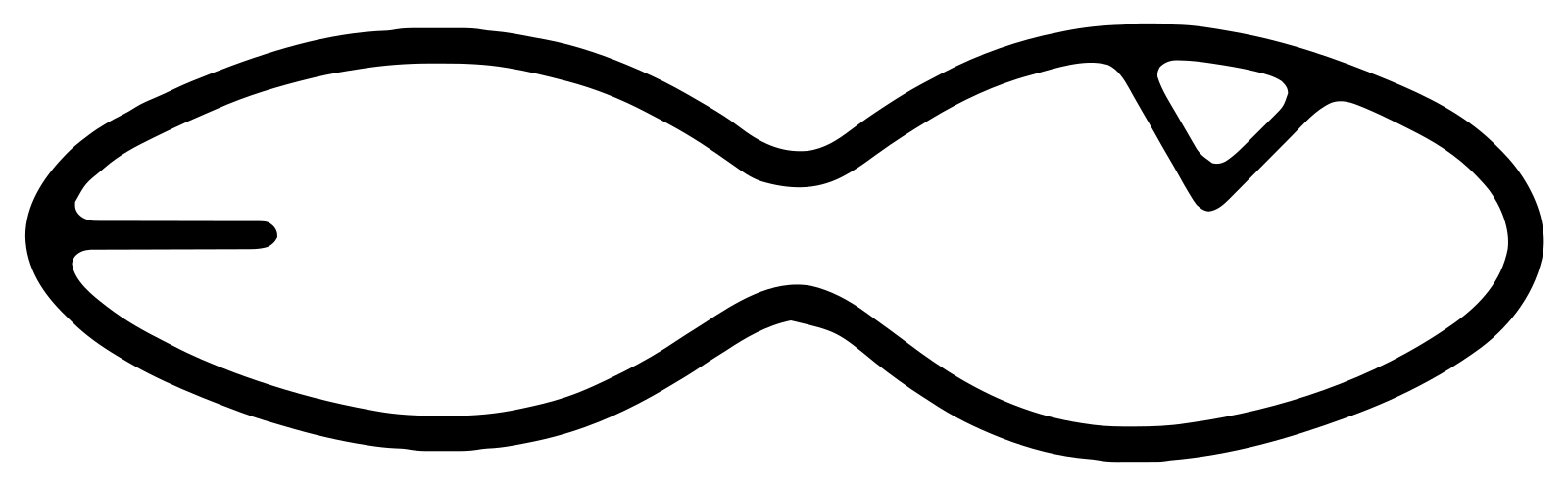
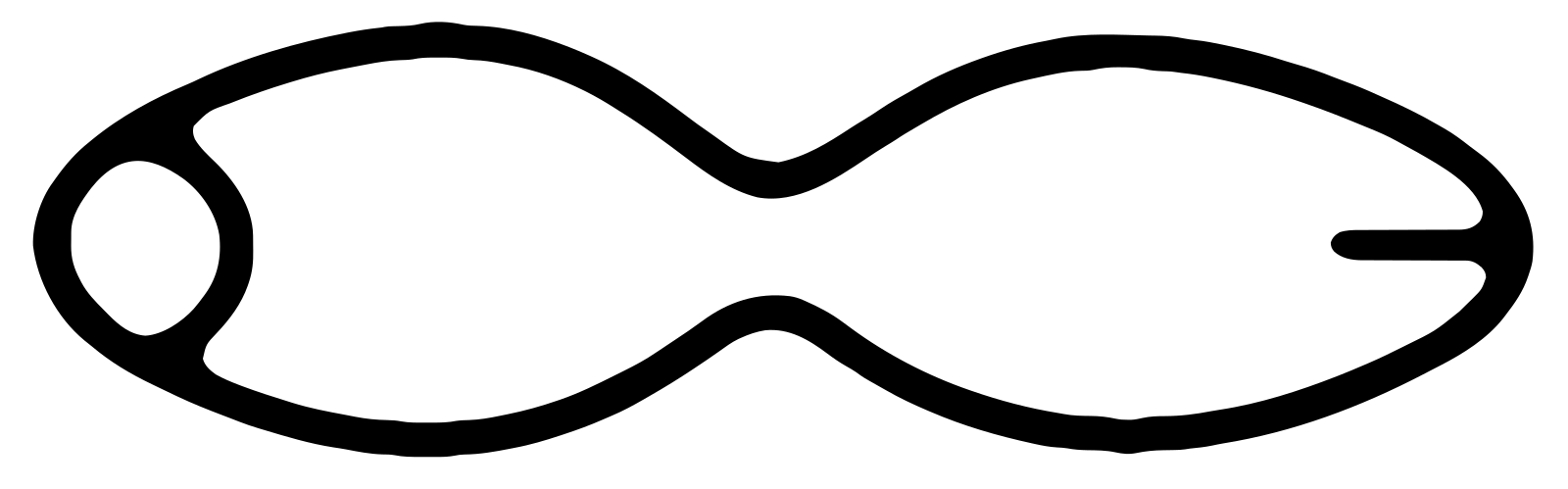
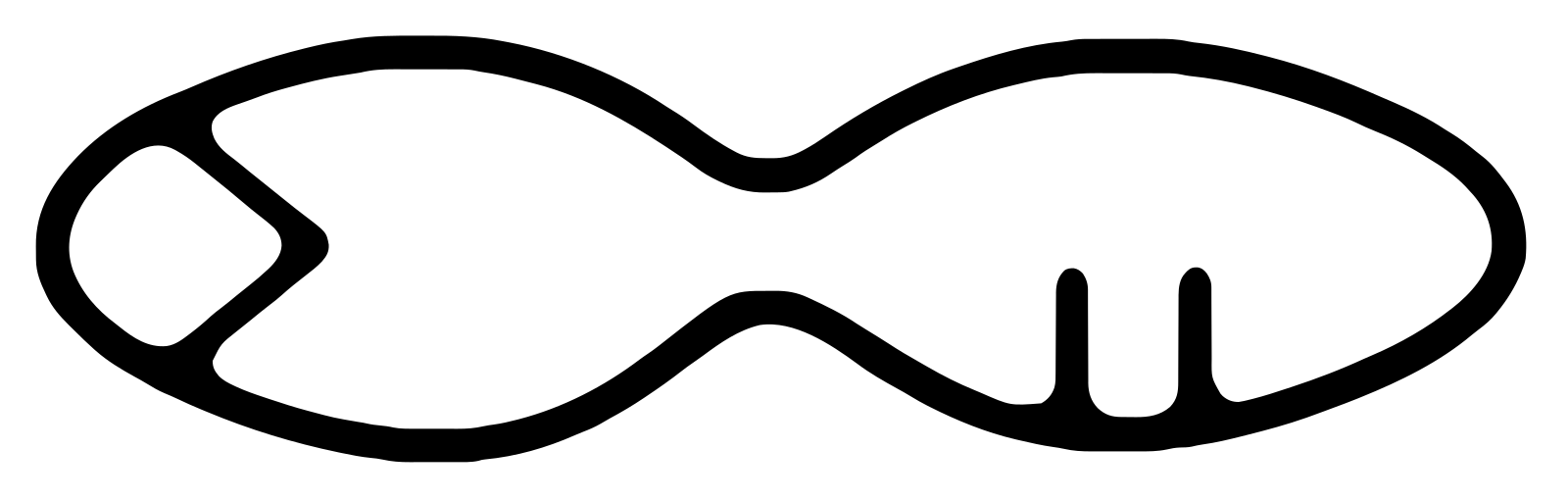
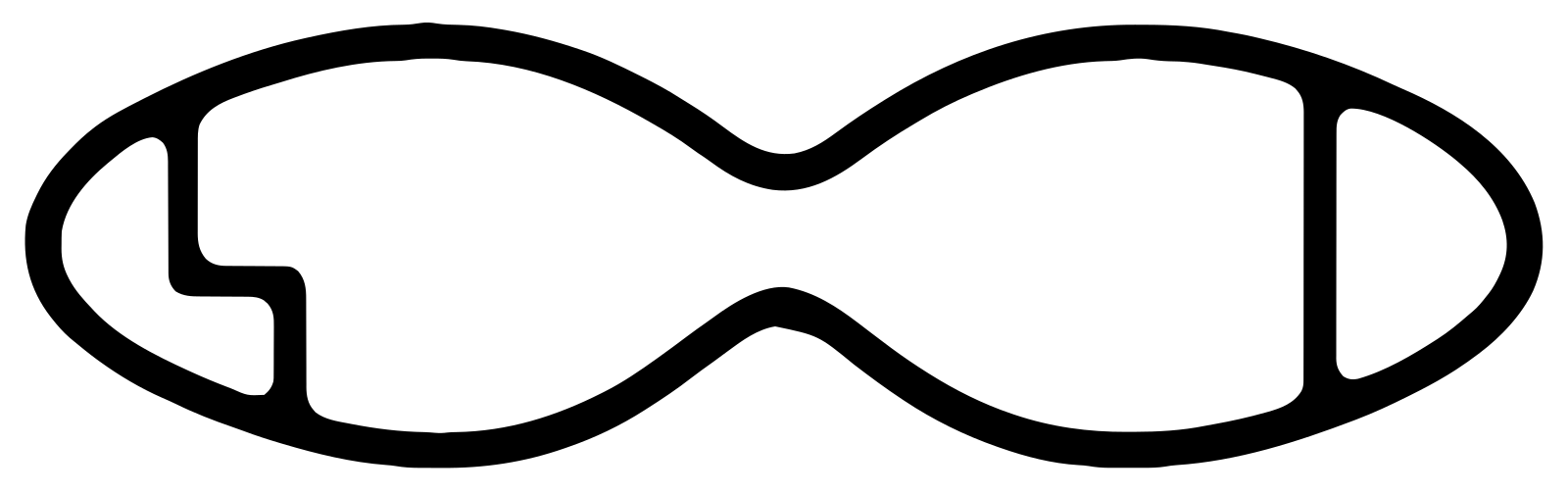
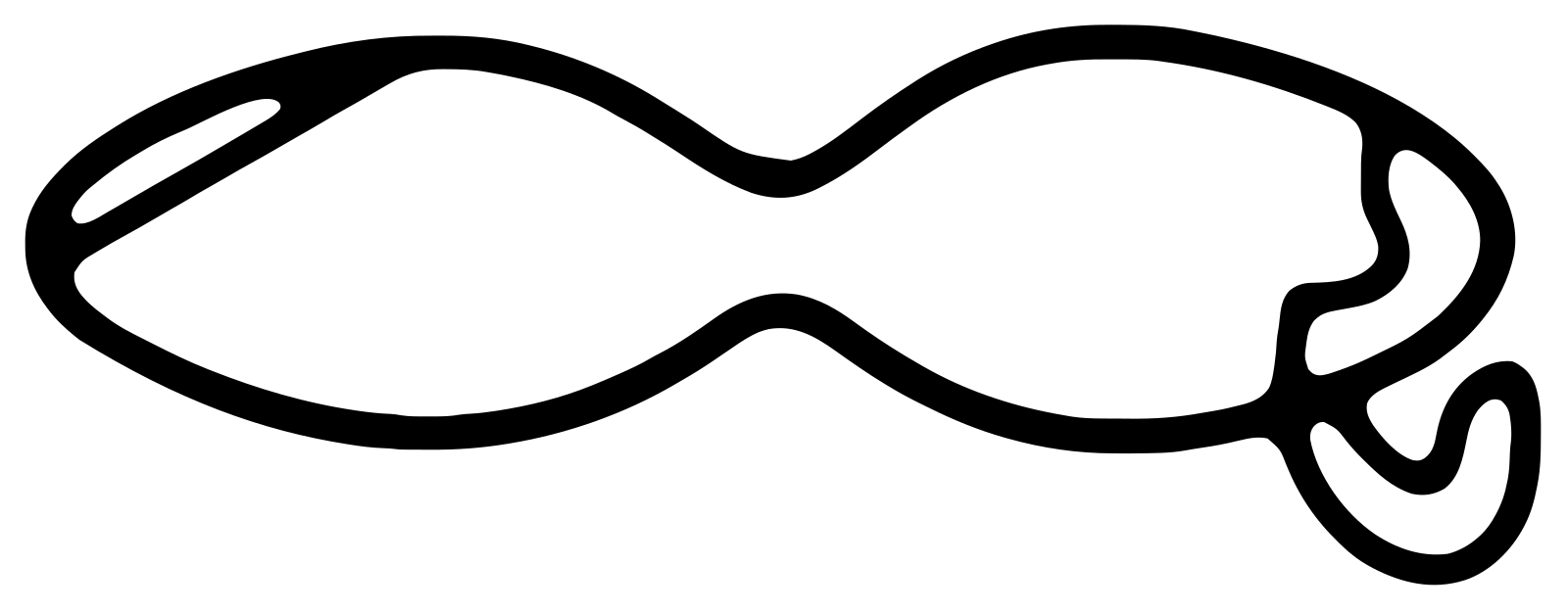
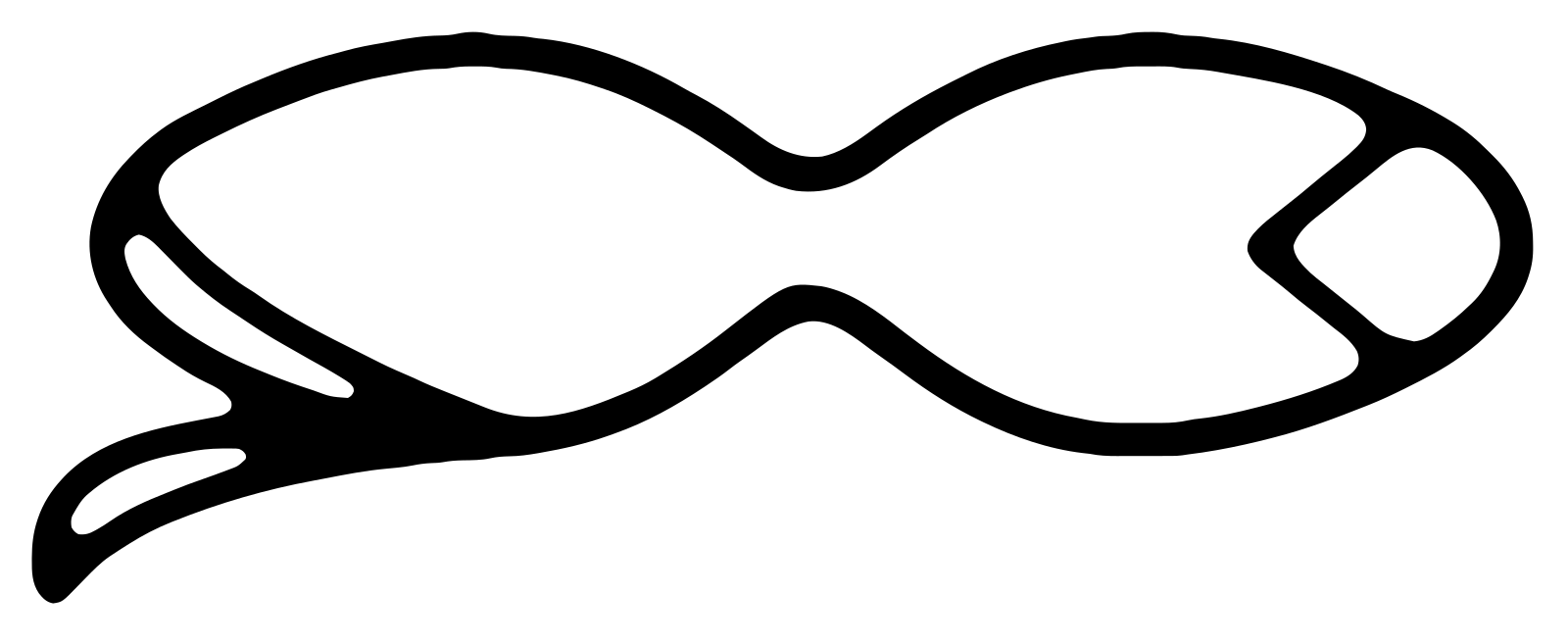
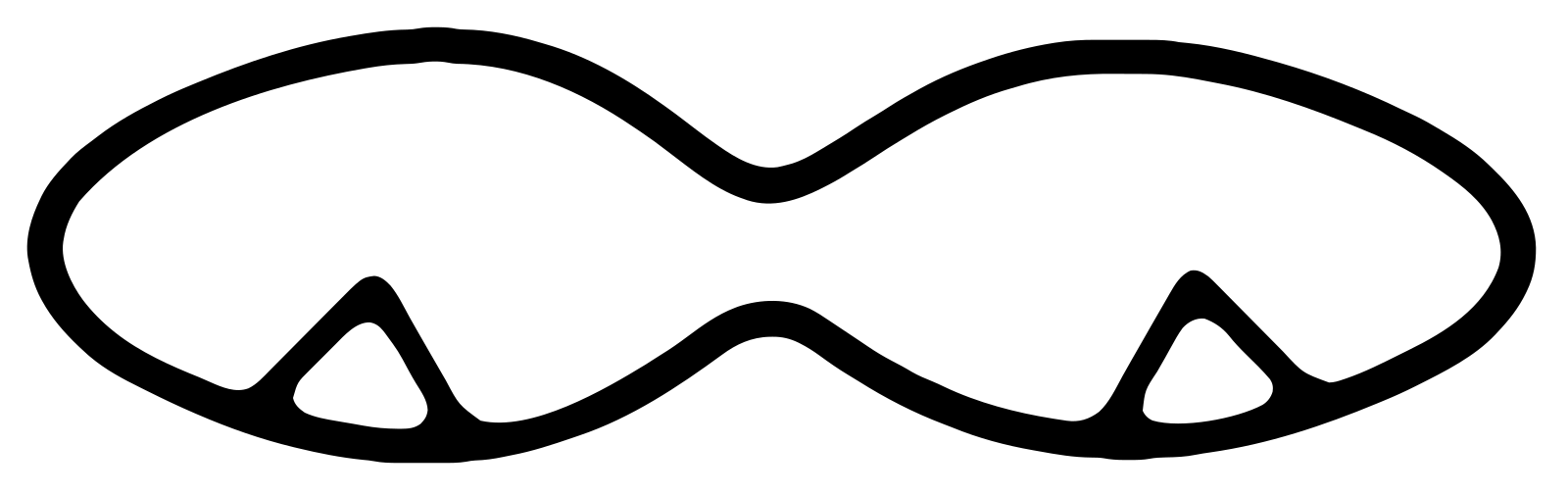
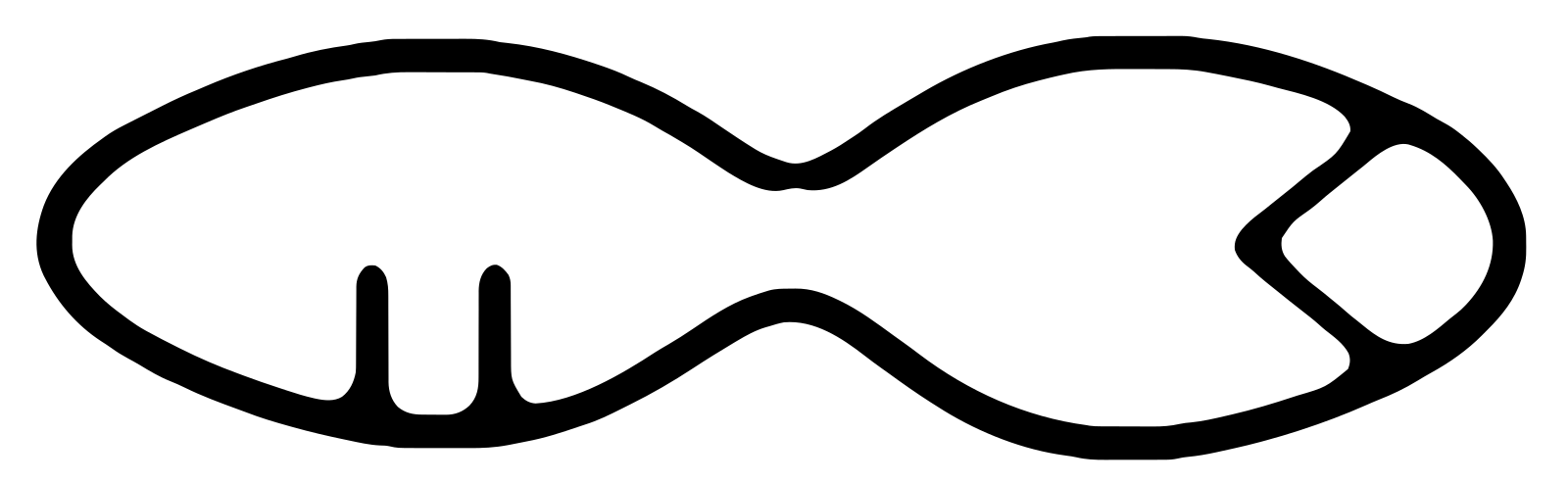
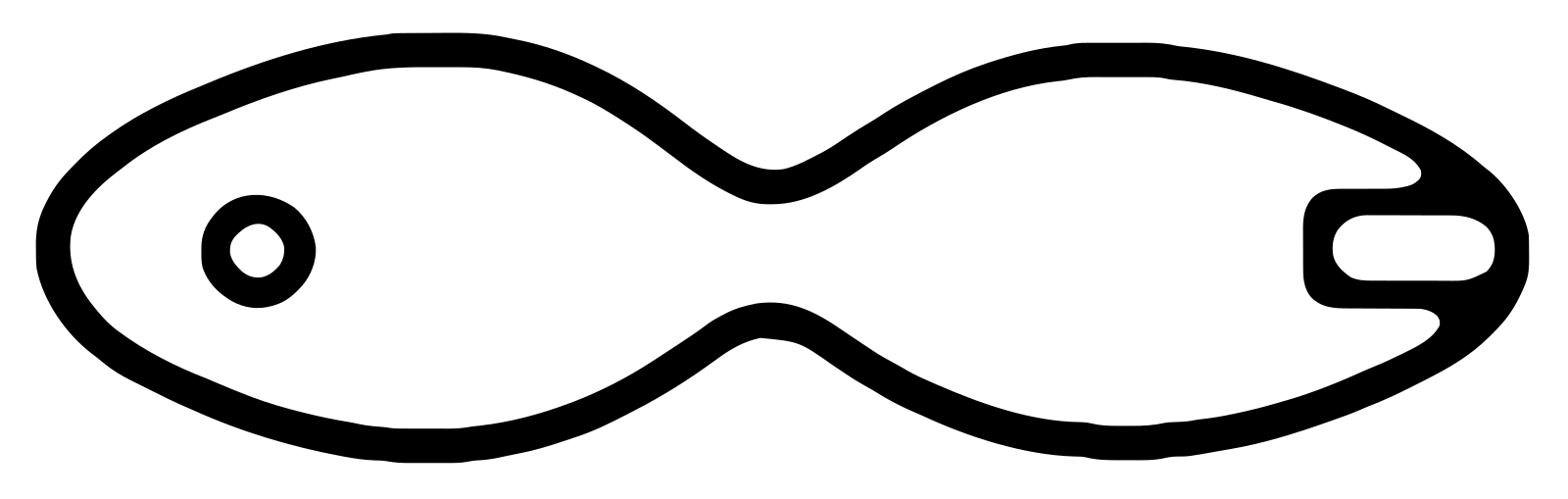
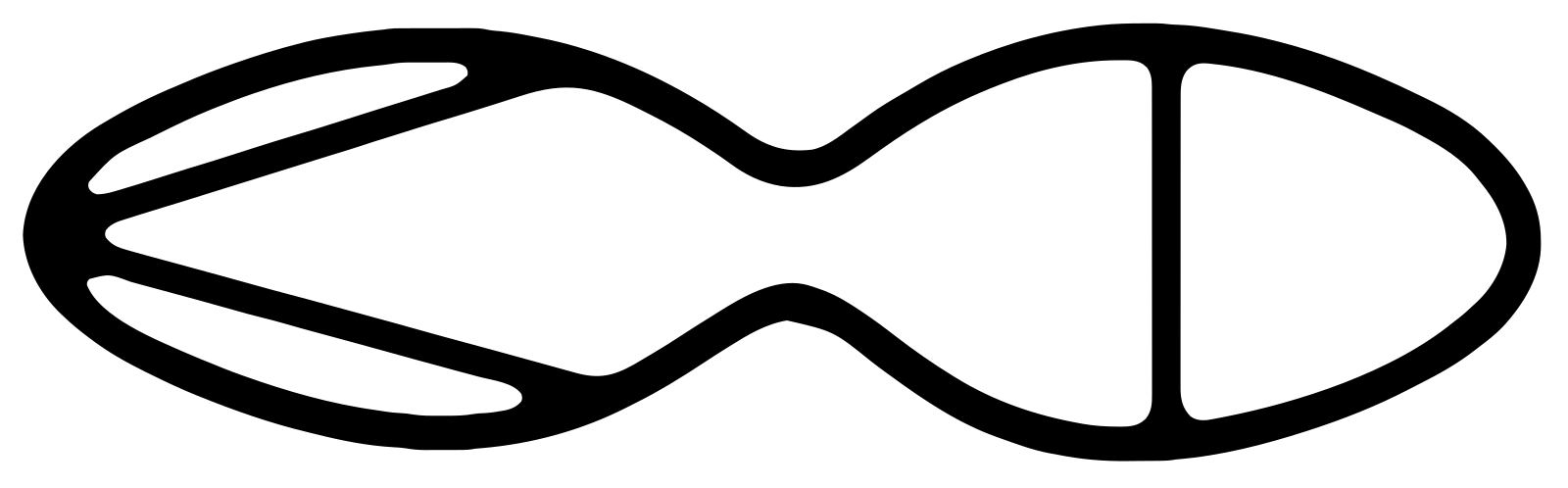
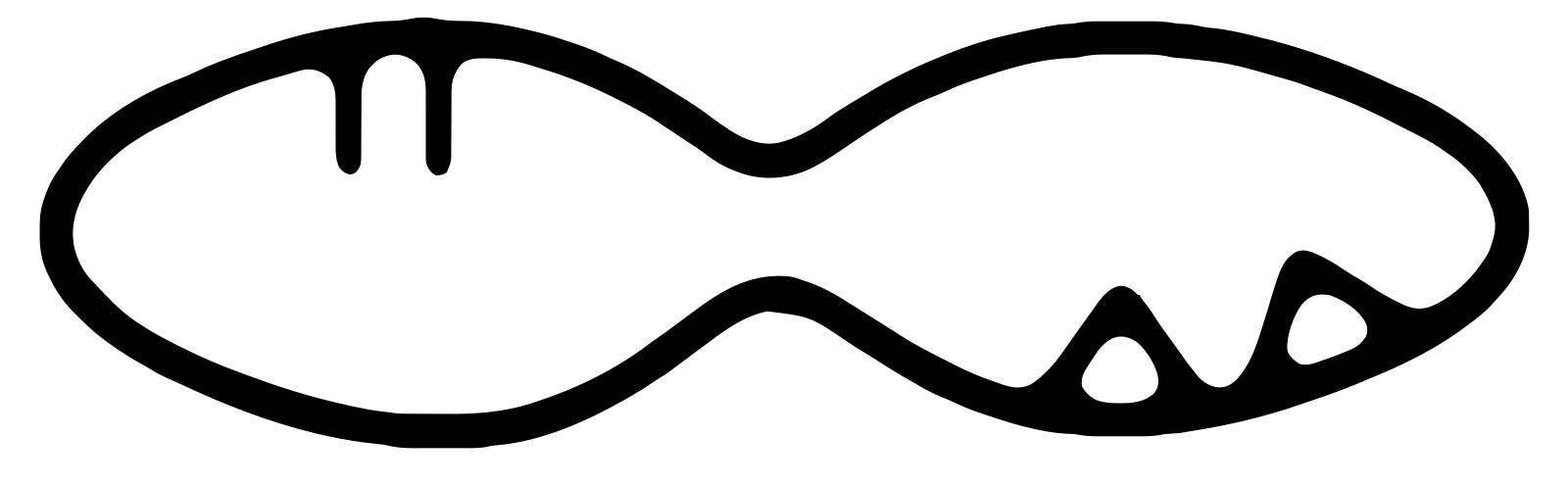
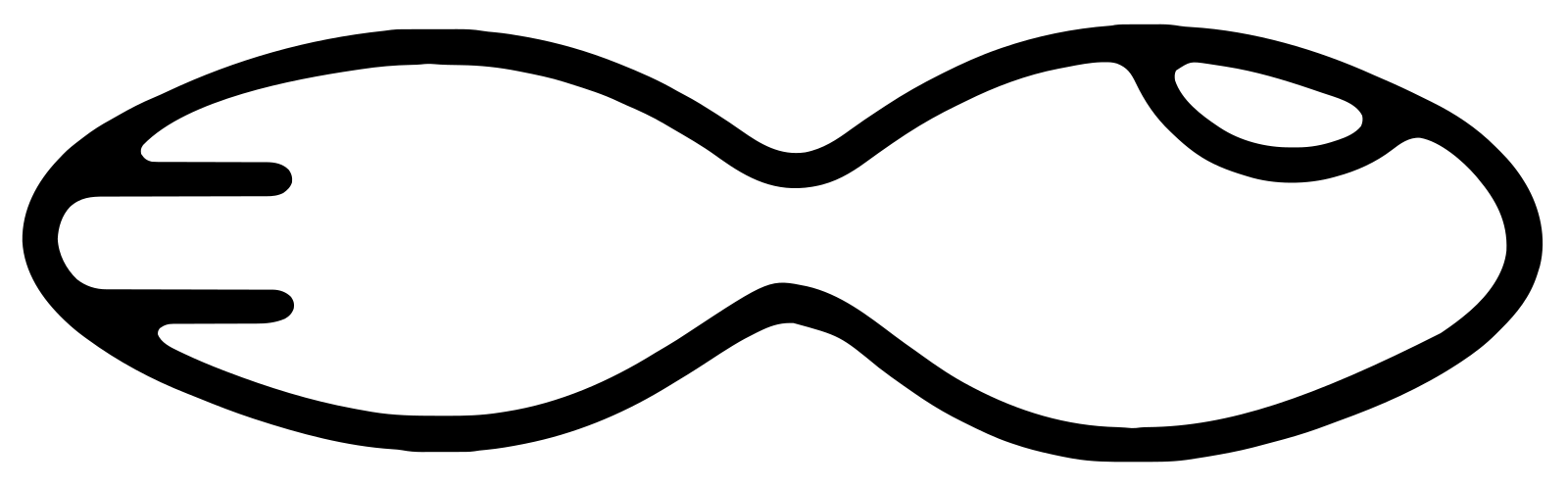
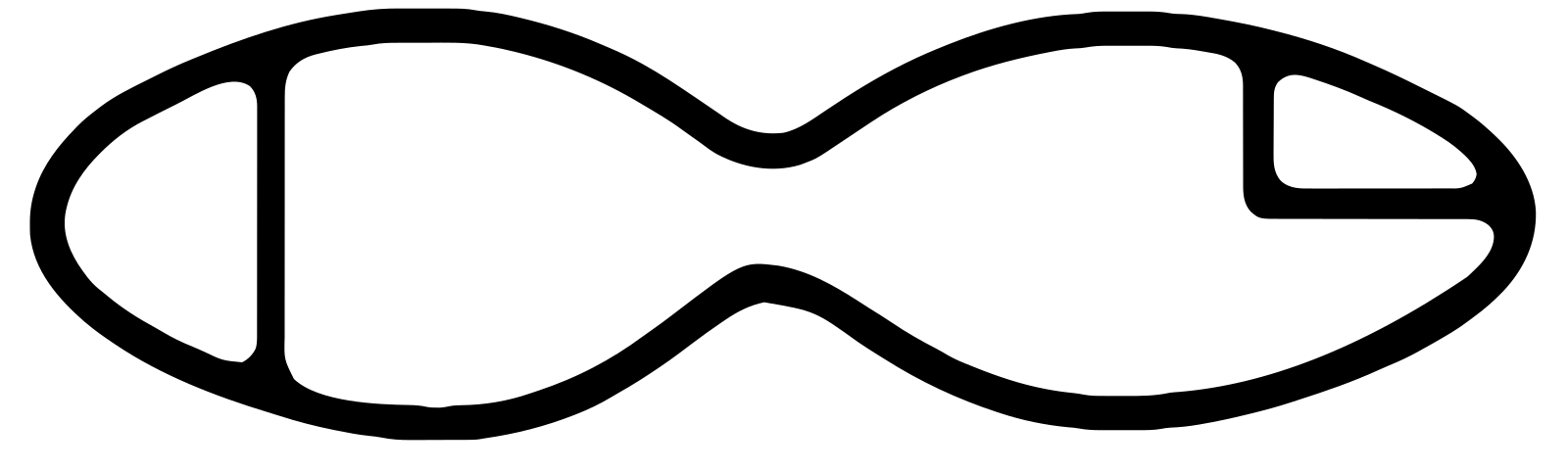
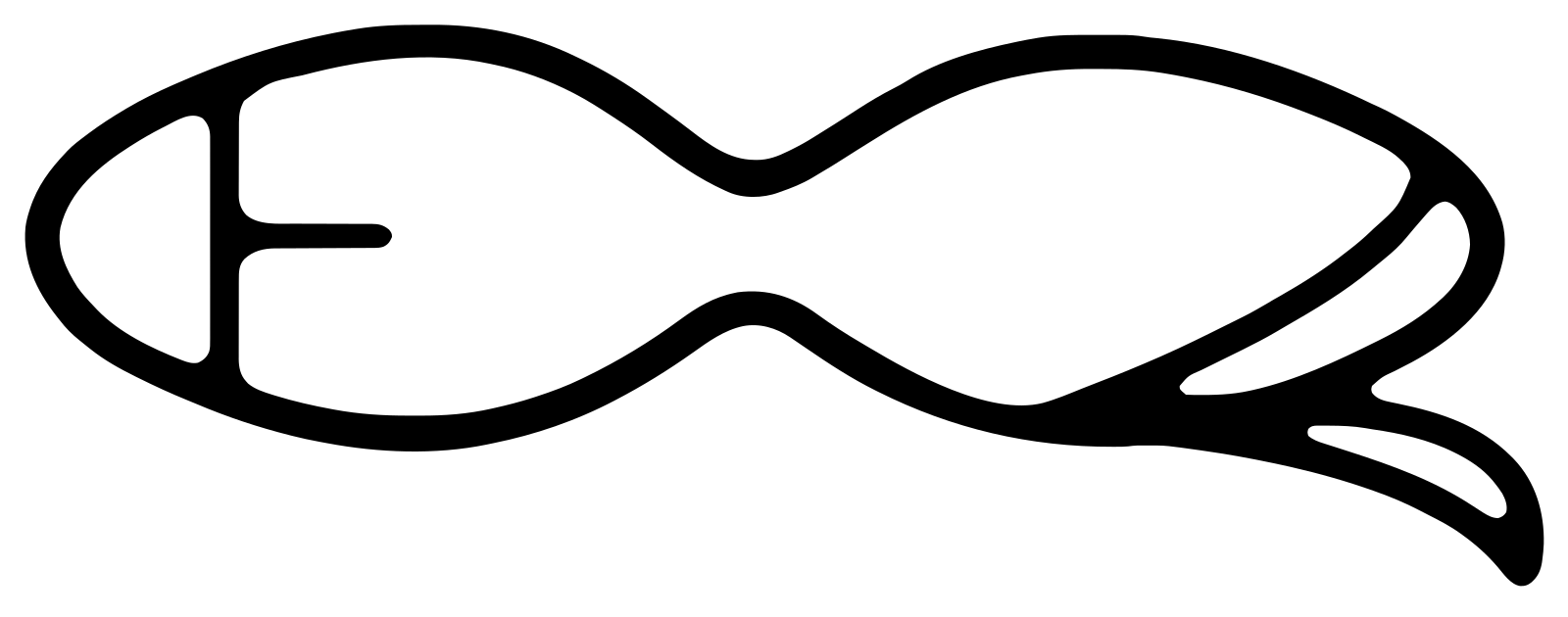
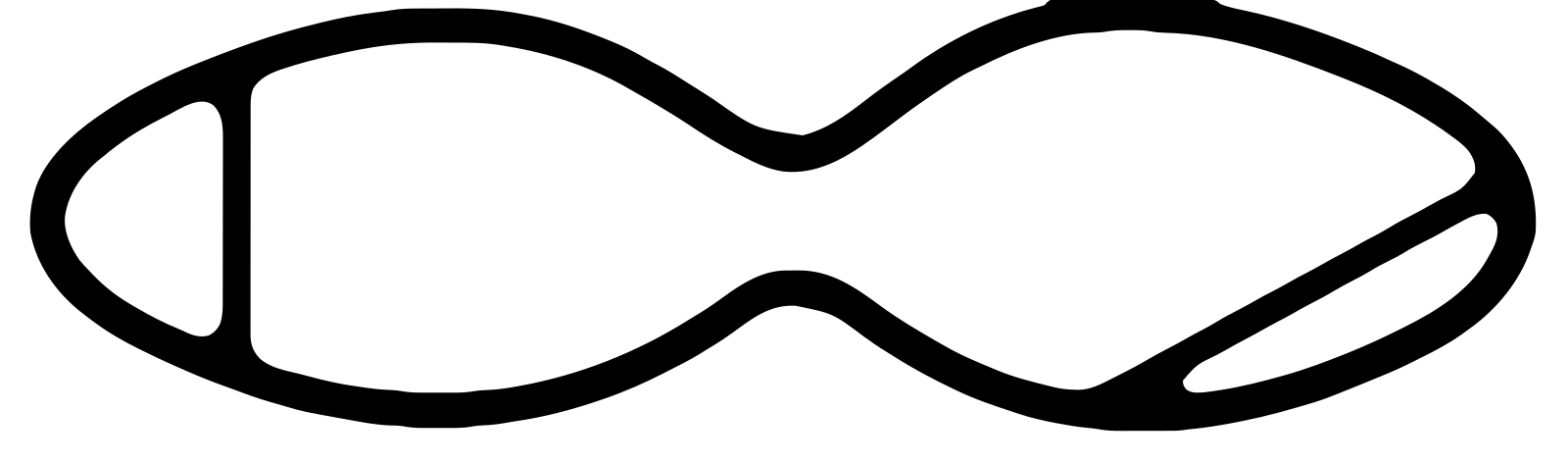
Removal of the entire tip of the ear
A cut from the edge toward the center of the ear
A small V-shaped notch on the lower edge
A small V-shaped notch on the upper edge
An angled cut removing part of the ear edge
A V-shaped cut from the tip creating a forked appearance
A cut that leaves a hanging flap of ear
A deep narrow split leaving a pointed tip
Earmarks are just one part of the cattle identification system. Browse registered brands with earmark images, or learn how to read hot-iron brands.